Abstract
This paper presents the research corpus of a thesis, a collection of audiovisual graphic artifacts, objects that combine moving images and graphic elements, produced manually, artisanally, and/or electronically. Through a bibliographic survey, we found that there are few records in the field of Design about the Brazilian production of these artifacts. To mitigate this lack, the collection was assembled on an online platform, becoming a research base with references for scholars of the subject. The objective of this article is to publicize this collection. The inclusion of these objects in the theories and History of Graphic Design (HGD) in Brazil contributes to the deepening of knowledge and the improvement of professional practices.
Keywords: Audiovisual Graphic Artifacts, Brazil, Film, Moving Image, Title Design.
Introduction
This article presents an excerpt from the third chapter of the thesis “Graphic Design and Moving Image in Brazil: Contributions to the Consolidation of a Hybrid Field”, prepared by Daniela Souto, under the guidance of Prof. Dr. Noni Geiger, in the Postgraduate Program in Design at ESDI/UERJ. It is a study on audiovisual graphic artifacts resulting from the interaction between graphic design1 and moving images, with the aim of inserting and legitimizing these objects in the theories and History of Graphic Design (HGD) in Brazil, in order to expand the boundaries of the field and the possibilities for designers’ work.
The general objective of this article is to disseminate the collection of artifacts that constitutes the research corpus of this study to encourage discussion on the subject.
The specific objectives are:
- to reflect on the expressions to be used in writing about audiovisual graphic artifacts;
- to give visibility to the authors of the works studied, briefly analyzing their contexts of training and professional activity;
- To make this collection a research source for future scholars of the subject, an unprecedented repertoire of references, accessible online and free of charge.
Basic Definitions
The collection presented in this article comprises 200 objects produced between 1929 and 2017, which we have chosen to name “audiovisual graphic artifacts”. These objects could be what some authors call motion graphics design, linking their origins to the opening sequence created by Saul Bass and John Whitney for Alfred Hitchcock’s film “Vertigo” (1958), the first film in the history of cinema to use Computer Generated Imagery (CGI). The terms motion graphics and motion design are generally associated with computer technology. However, analyzing the compositional elements of these objects throughout history, we find that even before computers, since the origin of cinema (including the period known as “Pre-cinema”), there were already audiovisual graphic artifacts. Therefore, we sought an expression that would encompass objects that combined moving images with graphic elements, such as typography, graphic elements, illustration, photography, collage, and other types of images; produced both with manual, artisanal techniques and with electronic techniques (analog or digital). Since it is a vast body of work, it was necessary to make an overview.
Justification and research methodology
Through an exploratory bibliographic survey, research on publication portals and academic institutions, audiovisual preservation sites, and video platforms, we identified a gap to be filled. There is little bibliography in the field of Design, in Portuguese, specifically on graphic design objects with moving images, and even less on the Brazilian production of these artifacts. The existing books address technical and methodological issues and present contemporary and foreign production. There is almost no content (textual or visual) in books with a theoretical or historical approach. To try to mitigate this lack, a research corpus was created, consisting of a collection of audiovisual graphic artifacts, whose selection criteria were: the social and historical recognition provided by the endorsement of a specialized institution, and the importance that these objects may have for the development of Brazilian Graphic Memory (BGM).
During the bibliographic survey, we found two books that allowed us to define the scope of this research: “100 Best Brazilian Films” (2016), organized by Shalla Monteiro and Paulo Henrique Silva, and “Brazilian Animation – 100 Essential Films” (2018), organized by Gabriel Carneiro and Paulo Henrique Silva. The lists published by the Brazilian Association of Film Critics (Abraccine) in these books cover a production made between the years 1929 and 2017. This corpus of study constitutes the collection presented here, encompassing the 200 cited works.
Other methodological procedures of this research include analyses of a quali-quantitative nature, in order to understand social and cultural aspects, in addition to thinking about the relative statistics of the products studied. These data allow us, for example, to quantify the records about the authors and artifacts, the types of techniques and the most used colors, the genres, the media, and the most common typographic styles. Both the formal and social and cultural aspects can be associated with the aesthetic-formal and technical-formal elements2 of these artifacts, as well as the biographies of the designer-authors. The study of this corpus enables a reflection on the concepts of material culture, visual culture and graphic memory3, which can contribute with historiographic strategies for the insertion of these objects of study in Brazil’s HGD. Analyzing data collected from this collection can provide relevant content for educators and students of Design and for anyone interested in the subject.
This article structure
In addition to the Introduction, which briefly presents the article, and the Final considerations, that takes up the relationships between the objectives and the results of the research, the structure of this article is divided into three parts.
In the first part, “A collection” seeks to identify the objects of study of this research, specifying the terms that we adopt to define these artifacts; The methodological procedures of the assembly of the collection and the data base, starting from the study of the two Abraccine books, and the technical sheets of these works on the site of the Brazilian Cinemateca [cinematheque]; and organizing, establishing and displaying the content on Notion’s digital platform.
The second part, “A insertion of audiovisual graphic artefacts in HGD”, proposes an addition to this study along the lines of research of BGM and visual culture, which addresses the methods and methodologies that favor the inclusion of the objects of this study in Brazil’s HGD.
The third part, “The authorship of titles”, attempts to reflect on the identification of the authorship of the study objects, and on the obstacles to the insertion of audiovisual graphic artifacts in HGD, given that there are few documentary records about their creation and many times the authors do not appear in the technical sheets or in the credits of the works themselves.
Despite the lack of official records, the biographies of the identified authors reveal some characteristics about the production context of the studied artifacts.
Context and importance of the research
When two fields such as Graphic Design (GD) and Audiovisual (AV) meet, being relatively autonomous yet sharing many similarities and potential relationships, they constitute a hybrid field to which audiovisual graphic artifacts belong. Validating this territory expands the boundaries of Design and the possibilities for professional practice for designers. Our premise is that this legitimization and incorporation of these artifacts into the History of Graphic Design (HGD) should contribute to deepening knowledge and promoting the development of these professional practices that have been occurring for a long time, but sometimes without a well-structured theoretical foundation and without understanding the historical references that built this hybrid field.
The collection
The collection presented here is the corpus of this study, and aims to form a research base for scholars of design graphics and audiovisual media, an online repertoire of references with images (still and moving) specific to the titles of the works, available for free consultation at any time, in addition to constituting a structural apparatus to assist in the consolidation of a hybrid field that emerges from the relationships between graphic design and audiovisual. The collection contains the 200 audiovisual graphic artifacts present in the lists published by Abraccine, in the books: “100 Best Brazilian Films” (2016), and “Brazilian Animation – 100 Essential Films” (2018), cited above.
The book on films is out of print and could not be accessed. The book on animation was acquired and frequently consulted. The Abraccine lists also appear on the organization’s website, providing the title and director’s name for each work. The animation book has a concise technical sheet for each work, without much information of interest to this research. Therefore, and without access to one of the books, it was necessary to search for information on the works in other sources, the main one being the website of the Brazilian Cinematheque4, and the films themselves.
The choice to work with these works was due to the fact that they were previously selected by a national institution, formed by recognized professionals in the audiovisual field; and because they represent a production composed of objects with historical and cultural relevance in Brazil. Among the authors of the films as a whole, and among the authors of their titles, there are precursors, pioneers who brought about significant transformations in their fields of activity, and who deserve visibility. These two books contain some images from the works, but rarely include their titles and credits. The distinguishing feature of this collection is the complement to the visualization of the works, with specific frames of the titles and with moving images.
What interests Graphic Design (GD) in the works of this collection are their opening or closing sequences, containing titles and credits, as well as some intertitles, title cards with narration or dialogue texts, and even frames that contain typography as an element of art direction, as a prop. In the field of Brazilian Cinema, these sequences are called “titles”. When addressing the intersections between Visual Communication and Cinema in her undergraduate thesis, in 1979 at ESDI/UERJ, Noni Geiger provides a definition of this term.
It is a mandatory part of the film, providing its title and essential production team credits, and, in a brief and concise manner, using visual and oral resources that also introduce mood, story, summarize, symbolize, announce...
They occur at the beginning and/or end of the film and function almost as a delimiting key to the cinematic space.
Titles can also be supporting elements for the film’s narrative, verbally indicating a date, a location...
In principle, titles provide the necessary information for understanding the film, which also includes film translation captions.
(GEIGER, 1979, p. 24)
According to Noni Geiger (1979, p. 97), the term “title” (or “titles”) refers to “Any inscription contained in the film with the objective of providing information about the film, its message or its story to the viewer.” Titles are the objects of study in this research.
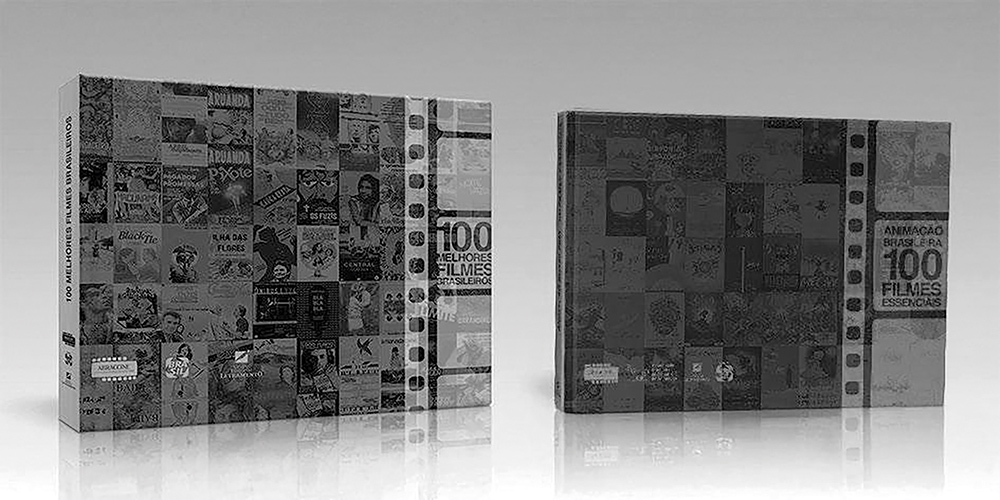
Source: The authors, 2025. Adapted layout from Abraccine site.
Another detail about the language adopted here is that the word “film” will be used to refer to works produced with live-action images, and “animation”5 will be used for works made with the most varied animation techniques (computer graphics, digital or traditional 2D drawing, 3D, direct-to-film animation, rotoscoping, painting, pixilation, clay motion, object stop motion, cut-out stop motion, and hybrids6).
There are other terms that could define a large part of the production analyzed. From the 1950s and 1960s onwards, the most commonly used terms in Brazil for this were: motion graphics design, motion graphics, motion design. However, these terms generally apply to objects produced electronically (in analog or digital form). In the context of television, the terms videographics and audiovisual design are also used. In English-speaking countries, regarding cinema, the expression title design is used, for what in Brazil is called “letreiros” (titles).
Depending on certain conditions, the terms may vary, so here we adopt the expression “audiovisual graphic artifacts,” a choice justified in the introduction to this article.
Collection and database setup
The creation of this collection began with an Excel spreadsheet, where the titles of the works, their directors, release years, and links to online files were entered, and the production techniques were added to the list of animations.
Sources of digital files
Between 2021 and 2025 the files for this collection were gathered; approximately 90% were found on YouTube (YT), with the remainder on Vimeo, Dailymotion, and other platforms. Within these platforms, searches were conducted on channels belonging to audiovisual institutions, authors (filmmakers and animators), film and animation festivals, and ordinary users (cinephiles in general).
Sources of technical data sheet information
As previously mentioned, we only had access to one of the two books, so it was necessary to research the technical specifications of the works in other sources, resorting to pre-existing digital archives and collections in the Banco de Conteúdos Culturais (BCC) and Filmografia Brasileira databases, both linked to the Cinemateca Brasileira website. Other websites such as Adoro Cinema and the Internet Movie Database (IMDb) were also consulted.
Compilation and publishing platform
Once the spreadsheet seemed complete, a free, searchable online platform, Notion, was selected to organize the collection. Notion allows the creation of data visualizations from tables, either created directly on the platform or imported from other software such as Google Sheets or Microsoft Excel. These data visualizations can provide insights for various analyses. In Notion, the collection was divided into two parts, each with its own page, named: “Abraccine: 100 Best Brazilian Films” and “Abraccine: Brazilian Animation – 100 Essential Films”.
Online videos for all works in the collection have been incorporated into the platform. Approximately 90% of the films and animations in this collection are complete; only the most recent works lack a freely accessible digital file. In these cases, trailers and/or links to the streaming platforms where they are available via subscription have been provided. From these videos, frames showing the film titles were captured and displayed as thumbnails for organizing the works on the Notion platform. Clicking on this thumbnail opens a page containing the video and information about the work. Initially, the collection’s entries on Notion contained the same data as the Cinematheque’s entries: title; year of release; footage; sound or silent; original material of the medium; color or black and white; duration; place of production; genre; production and distribution companies; production, screenwriting, directing, and art direction professionals; synopses; technical and historical observations (when relevant to this research); and posters (when available).
As this content was compiled, it became evident that to examine the sociocultural, formal, technical, and aesthetic aspects of these artifacts, in addition to the information already included in the sheets, it would be necessary to add essential data for this research, such as: the specific authorship of the titles, the characteristics of the titles compositions and their visual elements (textual and non-textual): typographic styles, colors, types of images. Data such as the most used production techniques, the platforms on which the video is posted, and the channels or broadcasters where they were or are broadcast were also added. A series of visualizations in graphs were generated from this data. Readers of this text are recommended to access the platform (available at: https://dgimbrasil.notion.site/inicio/) and conduct their own research there.
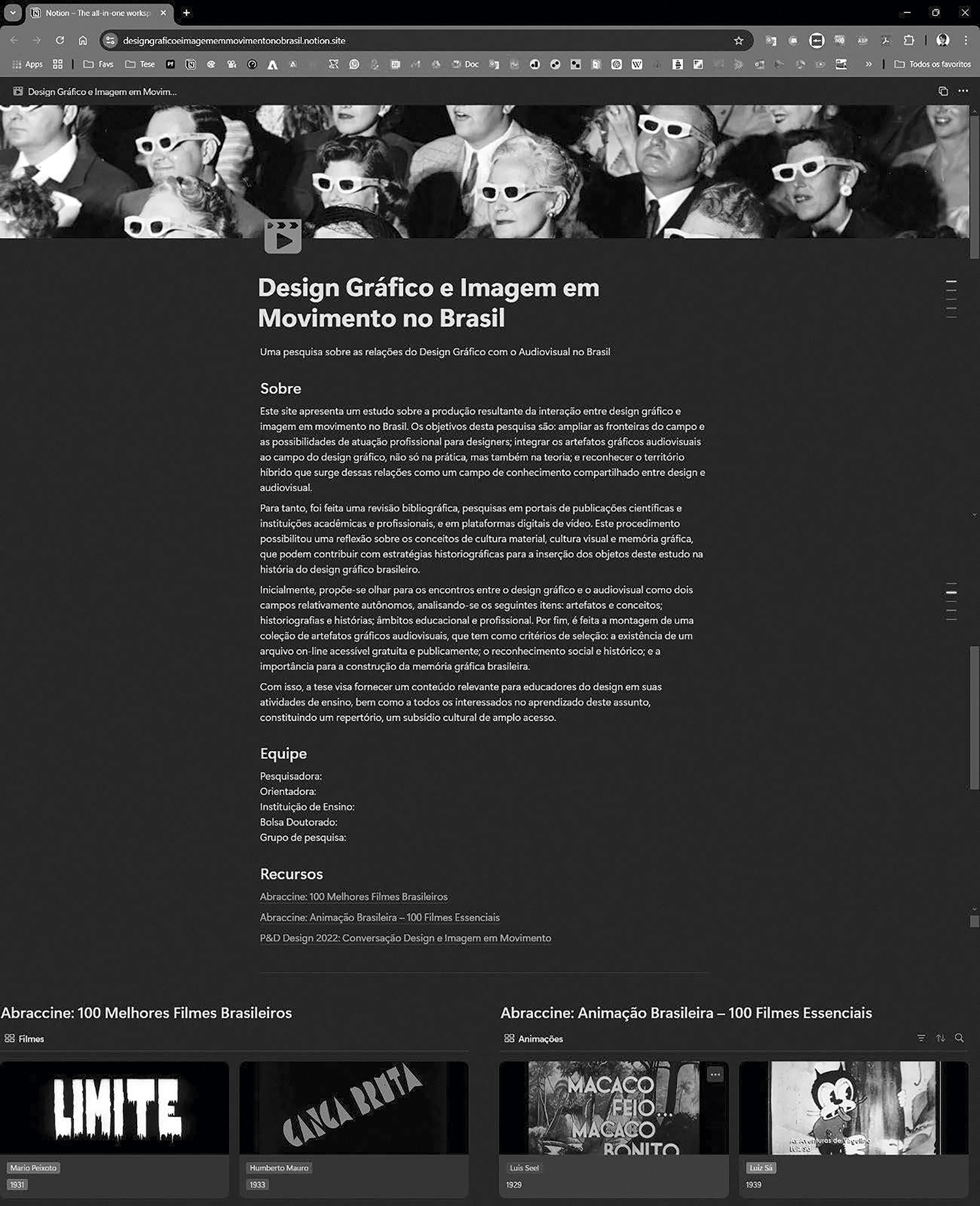
Source: The authors, 2025. Available at: https://dgimbrasil.notion.site/inicio.
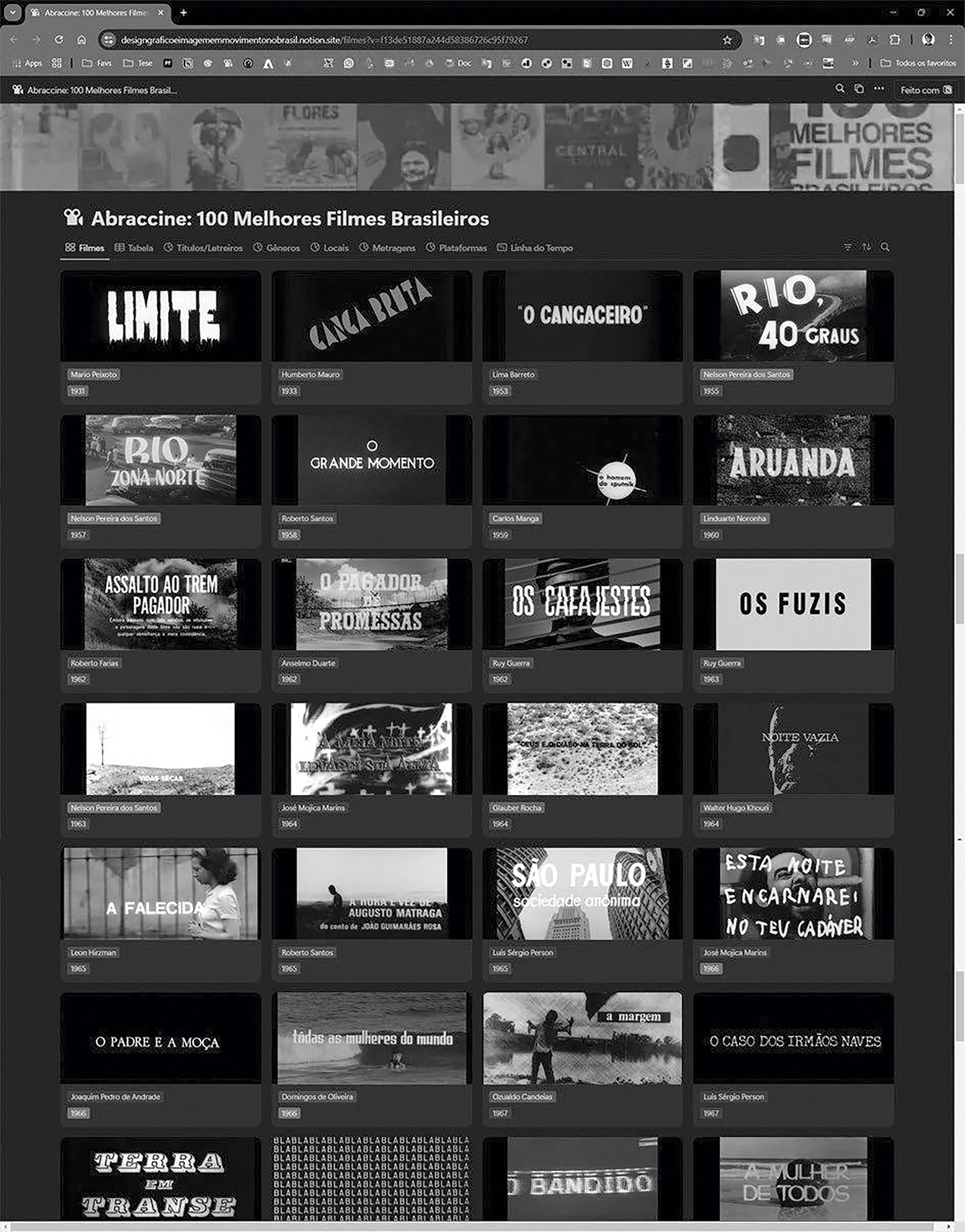
Source: The authors, 2025. Available at: https://dgimbrasil.notion.site/filmes.
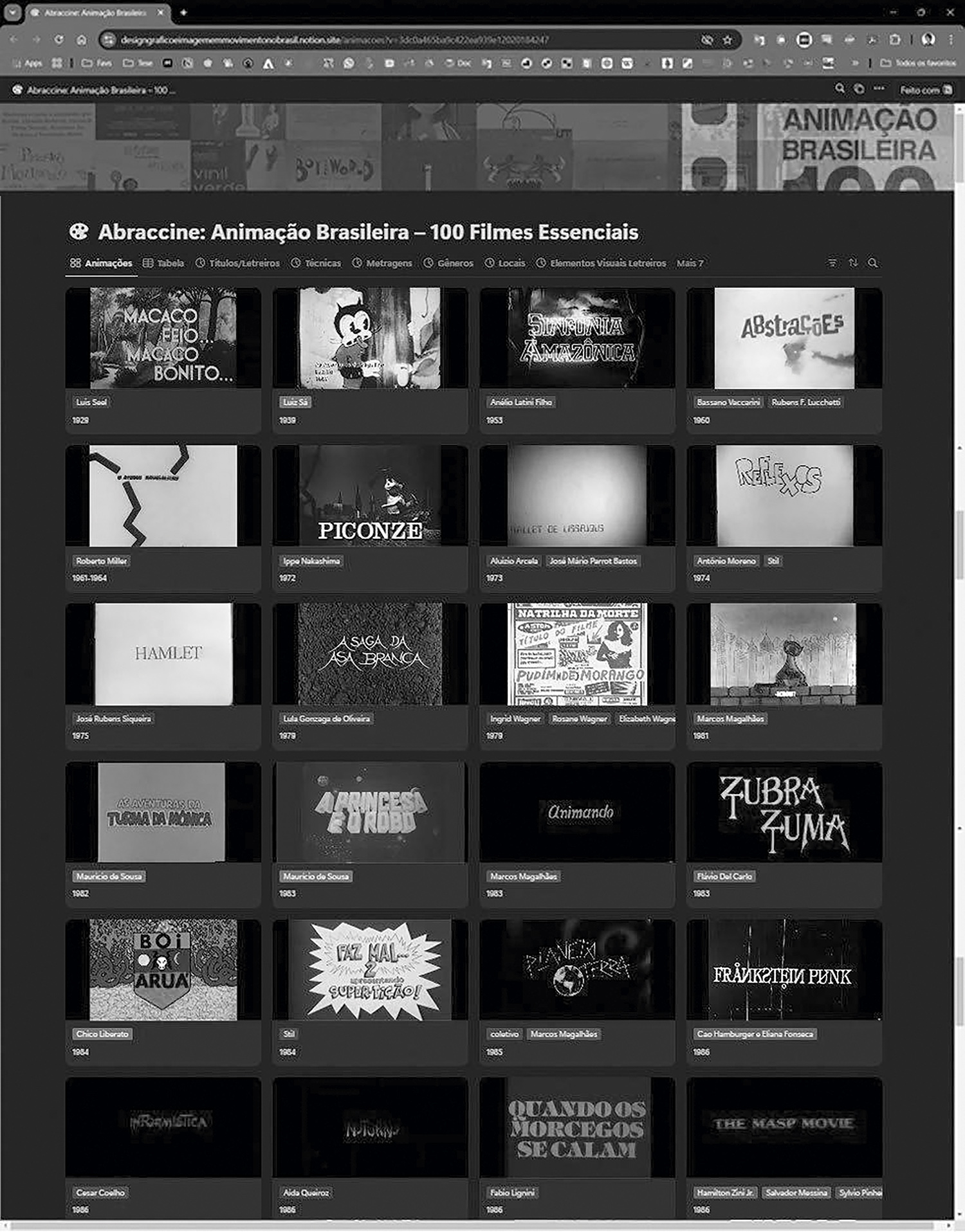
Source: The authors, 2025. Available at: https://dgimbrasil.notion.site/animacoes.
The insertion of audiovisual graphic artifacts in HGD
Throughout this research, historians, theorists, scholars, and professionals were found who proposed a series of terms and expressions to define a wide variety of audiovisual graphic artifacts. When this collection began to be assembled, the term that seemed most appropriate to define the types of artifacts of interest investigated became evident. From the technical specifications and credits of the works, the term “titles” was chosen. The design of titles and credits is a task developed in conjunction with audiovisual professionals; it would be appropriate to use a term with which these professionals are familiar. Perhaps, in Brazil, the most opportune expression would be “title design” for the word “titles,” in the field of design, can refer to signs on facades or in signage for environments.
Therefore, if we consider the field of Design as the one to which these artifacts belong, it would be advisable to use the term “title design”. In fact, it would be ideal If there were a way for title design to be recognized this way within Audiovisual media. However, it is impossible to predict when or if we will reach that point. To that end, it is necessary to legitimize these artifacts within the field of Design, and the most effective way to do this is to recognize the professionals in the area and the historical-cultural value of their work. The BGM research line provides this opening for audiovisual graphic artifacts when it cites studies in visual culture, an area that brings together theories from Cultural Studies, Art History, and Anthropology.
Collecting and organizing images, sometimes resulting in sophisticated digital databases, is a necessary step for most research projects on graphic memory. [...] Studies on graphic memory and visual culture share an interest in understanding how society selects or creates images and visual forms, and, at the same time, how this society, in a certain sense, reflects itself in such images and forms. However, while the field of visual culture is primarily concerned with what is apprehended from these visual artifacts through sight (DUNCUM, 2001; MIRZOEFF, 2012), researchers working with graphic memory, particularly those with a background in graphic design, are also often interested in the technical aspects involved in the production of such artifacts. (Farias and Braga, 2018, pp. 12–13)
This study aligns with the research lines of BGM. The audiovisual graphic artifacts presented were collected and organized into a digital database that can be widely accessed by researchers. The collection provides a brief overview of the interactions between Brazilian Graphic Design and Cinema. National identity is perceptible in each of the collected objects, whether through colors, typographic styles, materials, or techniques used. The way we produce these objects reflects our culture and our society.
The precariousness, lack of resources, and difficulties imposed by the political, economic, and social contexts on film production are evident in the artifacts of the collection. Even so, it is possible to see that Brazilian producers are not lacking in creativity. In the film “Luz, anima, ação!” (2013), by Eduardo Calvet, animator Rosana Urbes, author of “Guida” (2014), one of the animations listed by Abraccine, comments on her work in the international market. She worked at Disney studios, as part of the team for the animation “Lilo & Stitch” (2002), directed by Chris Sanders and Dean DeBlois. There, the animator says she saw “...structure and investment in the work, much more than talent. In Brazil, there is an abundance of talent,” says Rosana Urbes.
Brazilian cinema overflows with imagination and the ability to produce visually and culturally rich works. Even with setbacks imposed by the lack of effective public policies, audiovisual professionals manage to maintain their activity. In all the works in the collection where the production teams included designers, film titles stand out and enhance the films. Even when designers are not specifically involved in creating the titles, when their authors excel—be they animators, filmmakers, or other professionals—the titles design strengthens communication with the audience and the reminiscent and affective effect in relation to the film.
The main, and broad, ultimate goal of graphic memory studies seems to be to insert graphic artifacts into the culture, memory, and local identity of a people. For a good part of these studies, the motivation would also be what Leschko et al. (2014, p. 2) point out for the case of Brazil: ‘the affirmation of an identity for graphic design’ through ‘inventory, analysis, and preservation actions of graphic artifacts’. This search for cultural insertion and the creation of a sense of local identity emerges as one of its main specificities.
However, there is a range of other contributions that we can understand as secondary or subsequent objectives to the work with graphic memory: rescue and constitution of a collection of primary sources of graphic material for future consultations; contribution to the identification of a local visual culture; contributions to the history of the graphic field, to the history of graphic design, of the population/society in which the graphic material was inserted; and forming a repertoire for future projects and visual languages, contributing to a projective culture in the area of design.
(Farias and Braga, 2018, p. 24)
The collection presented here opens a path for historians of Graphic Design to investigate these objects, and to be motivated to research and analyze them from different perspectives. With the database organized on the Notion platform, scholars can search according to their interests, filtering information and observing the available digital files. It is hoped that this collection will promote the appreciation of national culture manifested in these cinematic fragments composed of film titles and credits. In short, giving visibility to this type of work, which involves the creation of film titles, is to shed light on a segment of the relationship between image and movement and graphic design, and to enable yet another way to expand the field of Design and the work of designers.
Titles authorship
One of the most relevant pieces of data for this research would be the authorship of the titles and credit designs of the works; however, it is rare for this information to be recorded in the Abraccine books, in the Cinematheque, or even in the credits of the works themselves. When information about the authors was found on the Cinematheque’s website, in most cases they were linked to the art direction team, and the term used to refer to their activity was just “titles”.
Titles authorship in films
Among the 100 films, 59 had no records of the authors of the titles. Forty-eight authors were identified (some films have more than one author), of which 9 (around 20%) are women: Ana Luisa Escorel, Carla Sarmento, Cristiana Grumbach, Evelyn Ferman, Heloisa Viegas, Joana Bielschowsky, Lygia Pape, Rose Verçosa, and Sarah Feldman. These women have backgrounds in Design, Communication, and Architecture. Ana Luisa, Cristiana, Evelyn, and Joana graduated from ESDI/UERJ. Some authors stand out for the quantity (and quality) of their work in the list of 100 films: 4 are by Rudi Böhm, 3 are by M. G. Tassara, and 2 are by Lygia Pape.
Rudi Böhm
According to his own website, Austrian Rudi Böhm graduated in “graphic industry”, studied at the Academy of Applied Arts, where he studied illustration, industrial design, and photography. He came to Brazil and in the 1970s, worked with Hans Donner in the corporate design of TV Globo, where he created several soap opera openings and vignettes for the station. In the early 1980s, he opened Ilimitada Ltda., in partnership with Stefan Wohl, a company specializing in effects, special effects, film finishing, creation of openings, trailers, and posters. (BÖHM, [2024], n. p.)
The films that feature Böhm’s work on Abraccine’s list are: “Dona Flor e seus dois maridos” (1976), by Bruno Barreto; “Alma corsária” (1993), by Carlos Reichenbach; “Serras da desordem” (2006), by Andrea Tonacci; and “Santiago” (2007), by João Moreira Salles.
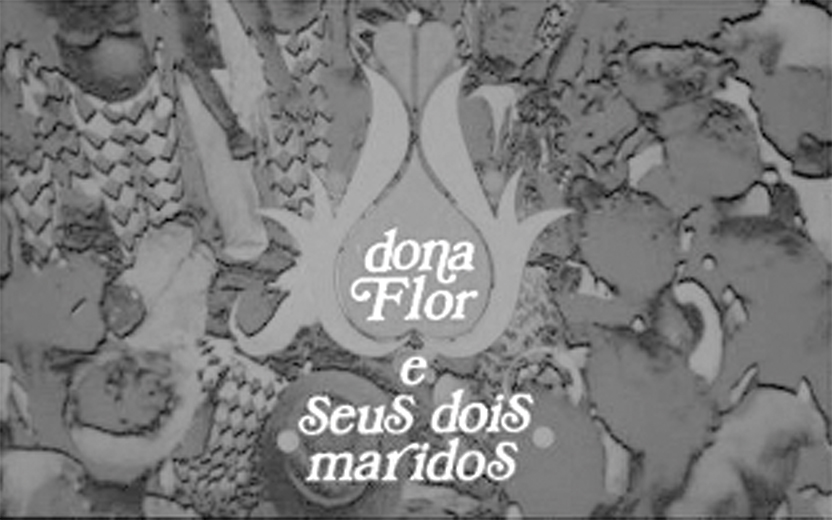
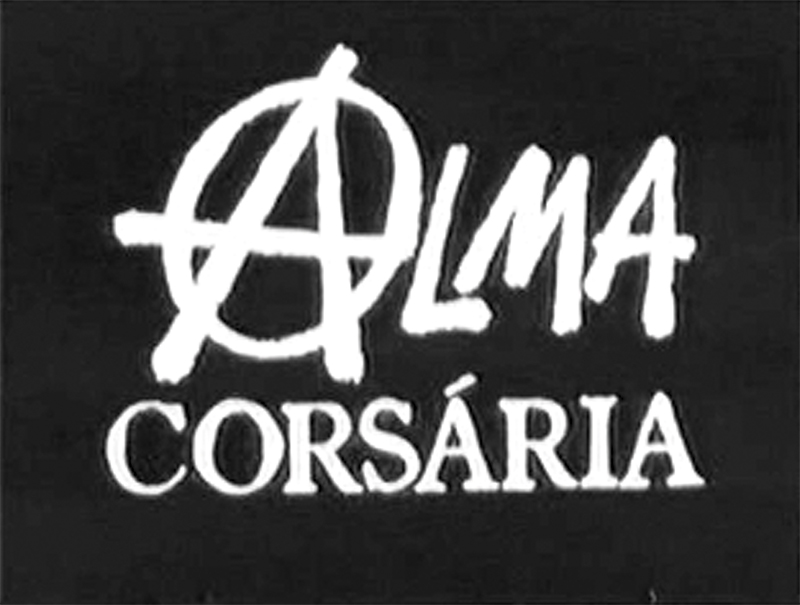
Source: Page “Abraccine: 100 Best Brazilian Films”.
M. G. Tassara
Marcello Giovanni (M. G.) Tassara, a graduate in Advertising from the Escola Superior de Propaganda e Marketing (ESPM), was the professor and researcher who introduced and taught the subject “Animation Cinema in Brazil” at ECA-USP for 34 years, and collaborated in the implementation of the Postgraduate Program in Communication at Universidade Anhembi-Morumbi (UAM). He was also director of the Film Department at TV Cultura and a member of the boards of the Brazilian Cinematheque Foundation. (GOLOMBEK, [2022], n. p.)
The films in which he participated, listed by Abraccine, were: the reconstitution (made in 1952) of “Ganga Bruta” (1933), by Humberto Mauro; “Esta noite encarnarei no teu cadáver” (1966), by José Mojica Marins; and “Pixote – A lei do mais fraco” (1983), by Hector Babenco.
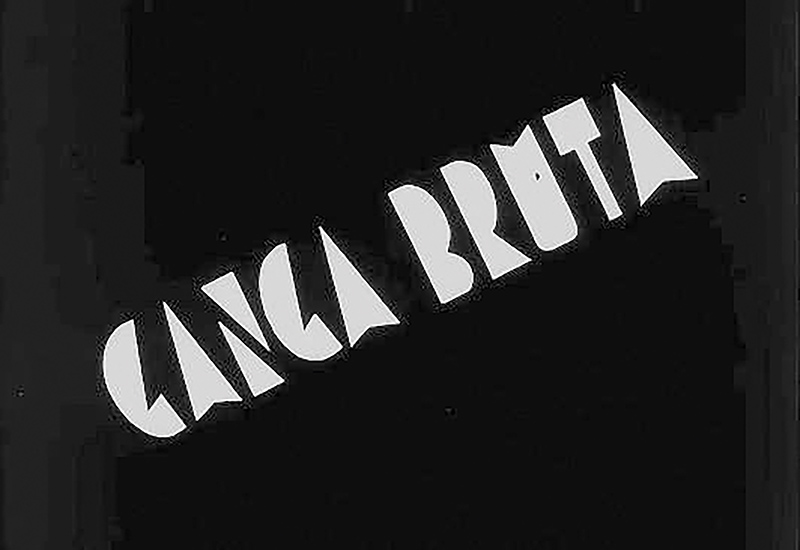
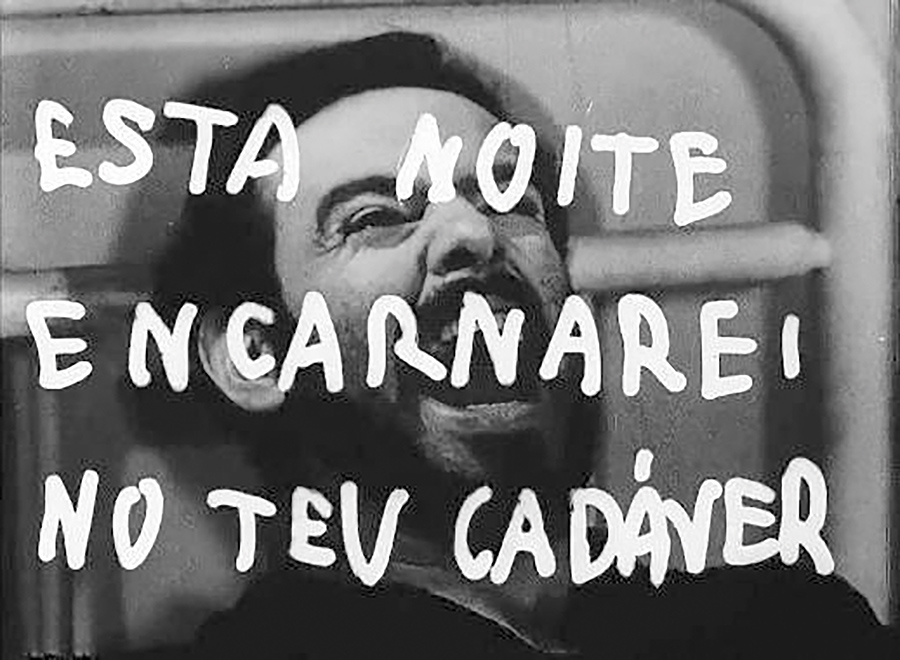
Source: Page “Abraccine: 100 Best Brazilian Films”.
Lygia Pape
Lygia Pape was a multi-artist, designer, filmmaker, and teacher who participated in two important Brazilian artistic movements: Concretism in the 1950s and Neoconcretism in the 1960s, the decade in which she began working in film. She worked as a filmmaker, created posters, and did film openings, mainly for filmmakers of the Cinema Novo movement. (COCCHIARALE, [2004-2024], n. p.)
Abraccine’s list includes 2 films from this movement, with opening credits designed by her: “Vidas Secas” (1963), by Nelson Pereira dos Santos, and “Deus e o Diabo na Terra do Sol” (1964), by Glauber Rocha.
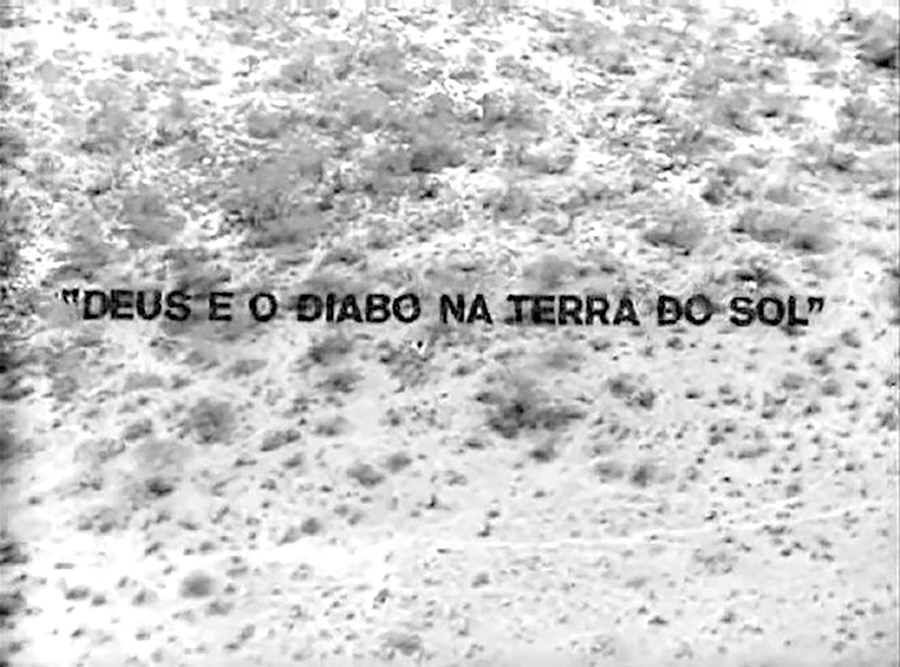
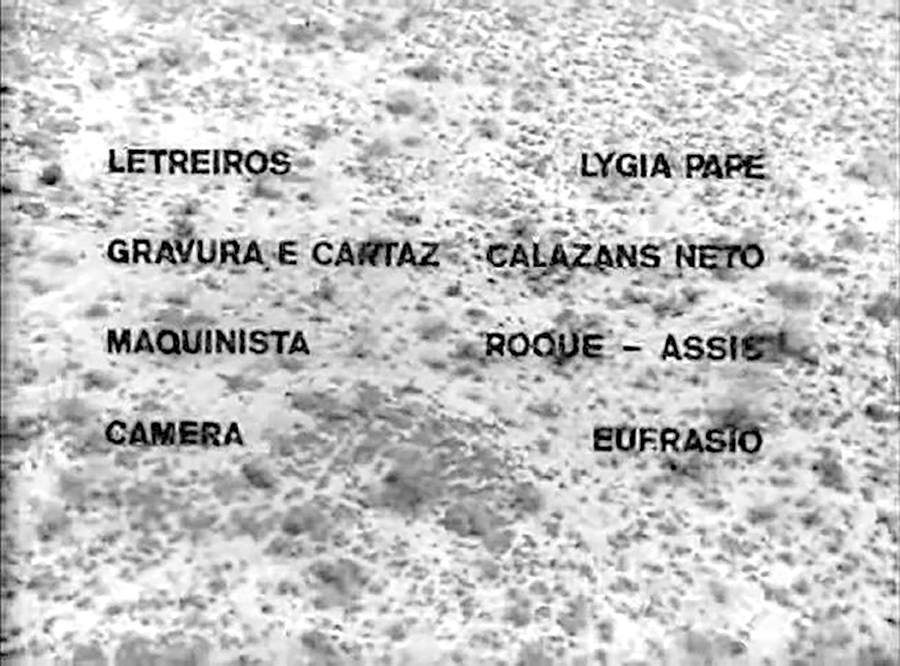
Source: Page “Abraccine: 100 Best Brazilian Films”.
Ana Luisa Escorel
Ana Luisa Escorel is a writer, editor, and designer, graduated from ESDI/UERJ in 1968, and a specialist in editorial graphic design. She became a professor of subjects related to graphic design projects at national and international universities. In 1980, with designers Evelyn Grumach and Heloisa Faria, she founded A3, the first design office formed exclusively by women, in Rio de Janeiro. From 1996 to 2002, she was a member of the Advisory Board of the Association of Graphic Designers (ADG). (ANA, 2025, n. p.)
Ana Luísa participates of Abraccine’s list, along with her partners at A3, with the titles of “Eles não usam black tie” (1981), by Leon Hirszman.
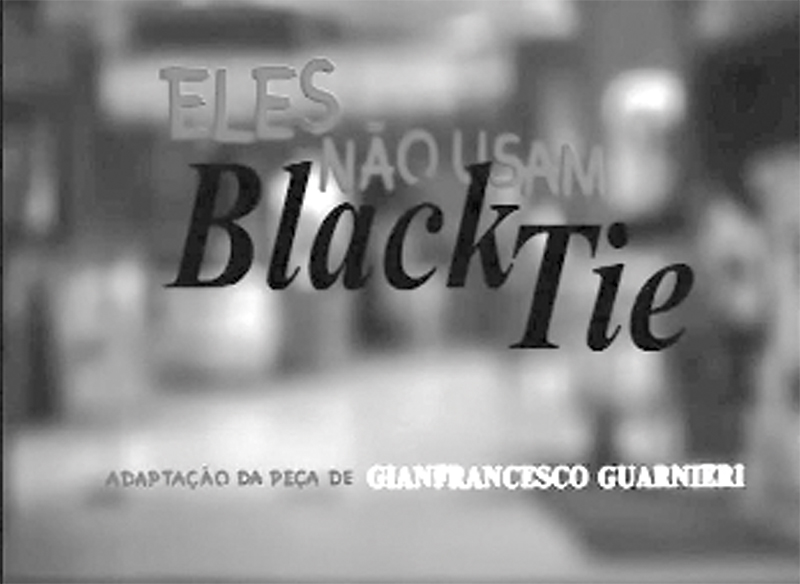
Source: Page “Abraccine: 100 Best Brazilian Films”.
Titles authorship in film animations
Among the animated works, 88 have no records of the titles authorship, but even so, 15 authors were identified, including 4 women. Given the working conditions of the teams in Brazilian animation productions, which is very clearly seen in the film “Luz, anima, ação” (2013), by Eduardo Calvet, there are indications that the animators themselves made (and still make) the titles and credits of their films. This is also noticeable in the typography style, when similar to the animation drawing style. This is a very recurring characteristic in animations: many titles seem to be handmade.
One of the animations for which the authorship of the titles is not officially recorded is by Aída Queiroz, an animator, executive producer, and animation director. According to her studio’s website, Campo 4, her first contact with animation was at the Federal University of Minas Gerais (UFMG), in the Fine Arts course. In 1985, she participated in a training program in Rio de Janeiro, held by NFB - National Film Board of Canada, in an agreement with the now-extinct Embrafilme. During this course, Aída Queiroz produced her first short film, the classic “Noturno” (1986), which won the Coral Negro award at the Havana Film Festival in Cuba which is on Abraccine’s list of the 100 best animations. It is possible she drew the title herself by hand. It was also during the NFB course that Aída met Cesar Coelho, Lea Zagury, and Marcos Magalhães, who together founded Anima Mundi7. In 1990, in partnership with Cesar Coelho, Aída Queiroz founded the Campo 4 studio, which works with traditional and experimental animation techniques for the production of short films, commercials, institutional films, series development, and television production.
Final considerations
Here we list the results achieved from the objectives of this article, starting with the specific ones and arriving at the general objective.
Regarding the objective of “reflecting on the language to be used in writing about audiovisual graphic artifacts”, there were two conclusions. First, the profusion of terminology concerning the objects studied was noted, as well as the variation that occurs according to the environment where the language is applied and the background and training of the professionals who use it. Second, it was understood that it is possible to indicate a terminology appropriate to the field of Design, with the warning that its effective adoption depends on the legitimization of audiovisual graphic artifacts in this field, especially through the recognition of the authors of these objects.
Regarding the objective of “giving visibility to the authors of the works studied, briefly analyzing their training and professional contexts”, it was possible to verify that, based on the biographies of the small sample of authors presented in this article, most of them have a background in Design, which should also be the case in the complete sample of 200 works, excluding those trained in the Audiovisual field.
The third objective, “to make this collection a research source for future scholars of the subject, an unprecedented repertoire of references, accessible online and free of charge”, was partially achieved, as it depends not only on the availability of the content but also on public access. By aligning this study with pre-existing research lines such as the BGM and visual culture, the collection can reach more researchers and become a useful and widely accessed database.
The overall objective, “to disseminate the collection of artifacts that constitutes the research corpus of this study in order to encourage discussion on the subject”, confirmed the need and importance of documenting, theorizing, and historicizing these practices, and disseminating these writings, integrating even further audiovisual graphic artifacts into the study and teaching of Design. Analysis of the biographies of the authors of these objects revealed that, in addition to filmmakers and animators themselves, designers are numerous in this field. Therefore, this knowledge should be more readily available within design study environments.
Final notes
1 In this text, we will use “Graphic Design” in upper and lower case to refer to the field of knowledge and practice, and “graphic design” in lowercase to refer to the objects resulting from the activity.
2 These elements are the starting point for graphic analyses, according to André Villas Boas (2009), in his article “On graphic analysis, or some didactic strategies for the dissemination of critical design”.
3 These concepts are more detailed in the thesis “Graphic design and image in movement in Brazil: Contributions to the consolidation of a hybrid field”. Available in: https://bases.cinemateca.org.br/cgi-bin/wxis.exe/iah/?IsisScript=iah/iah.xis&base=FILMOGRAFIA&lang=p.
4 Available in: https://bases.cinemateca.org.br/cgi-bin/wxis.exe/iah/?IsisScript=iah/iah.xis&base=FILMOGRAFIA &lang=p.
5 The difference between these two ways of producing an audiovisual object was clarified in chapter 2 of the thesis to which this research belongs, including a conceptualization of hybrid productions, which mix live action and animation.
6 Animations classified as “hybrid” blend live action with some form of animation technique. It’s worth noting that the animation techniques themselves are also often mixed.
7 Anima Mundi, founded in 1993 and active until 2019, was considered the largest film animation festival in Latin America and the second largest in the world.
Bibliography
Farias, Priscila e Braga, Marcos da Costa. (orgs.), 2018. Dez ensaios sobre memória gráfica. São Paulo: Blucher.
Geiger, Noni, 1979. O cabeçalho do cinema. Orientação: Goebel Weyne. 101 f. TCC (Graduação). Escola Superior de Desenho Industrial, Universidade do Estado do Rio de Janeiro.
Webgraphy
Enciclopédia Itaú Cultural de Arte e Cultura Brasileira, 2025. “Ana Luisa Escorel”. Available at https://enciclopedia.itaucultural.org.br/pessoas/10331-ana-luisa-escorel. Access in March 15th, 2026.
Site Rudi Böhm. “Perfil – Estações no caminho”. Available at https://www.rudibohm.com.br/perfil. Access in March 15th, 2026.
Site Lygia Pape. “Entre o olho e o espírito”. Available at https://lygiapape.com/artista/. Access in March 16th, 2026.
Site ÁgoraECA. “In Memoriam: Marcello Giovanni Tassara (1933-2020).” Available at https://www.agoraeca.com.br/2022/05/18/marcello-giovanni-tassara-1933-2020/. Access in March 16th, 2026.
Filmography
Luz, Anima, Ação. 2013. Eduardo Calvet. Production: Felipe Haurelhuk, Ideograph, Labocine Digital, Negocine, Centro Técnico Audiovisual, Cinemateca Brasileira e Canal Brasil. Distribution: Fina Flor Venda e Distribuição. Brasil. Documentary. 99 min. Color. Available at https://www.youtube.com/watch?v=qziwlds-Hqo.